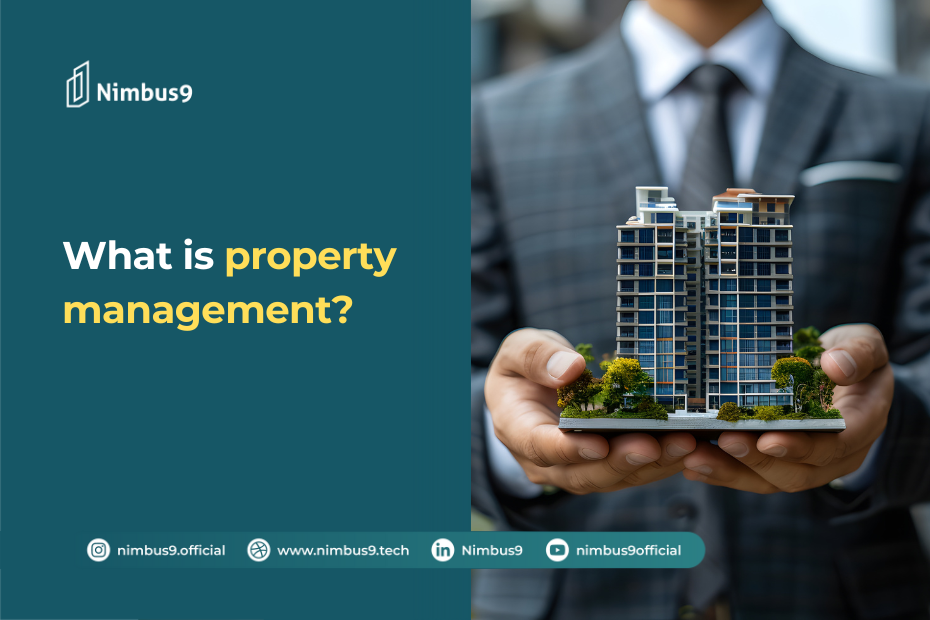
Property management operations are essential for keeping real estate assets profitable, functional, and well maintained. In modern property businesses, effective operations help owners manage buildings, control costs, and deliver better experiences for tenants.
Rather than relying on manual processes, many companies now adopt digital tools to support daily operations, improve visibility, and streamline decision-making across their property portfolios.
Understanding Property Operations in Real Estate
In real estate, property operations refer to the day-to-day activities required to run, maintain, and supervise a building or portfolio of properties.
These activities typically include maintenance coordination, leasing administration, tenant communication, safety management, and financial oversight. When managed properly, operations ensure buildings perform efficiently while maintaining long-term asset value.
How Experts Define Property Operations
- Robert S. Griswold
Griswold explains that property oversight includes maintenance planning, rent collection, tenant handling, and issue resolution to protect investment value. - Institute of Real Estate Management (IREM)
IREM highlights the importance of coordinating operational tasks to support tenant satisfaction, regulatory compliance, and financial performance. - Real Estate Management Institute (REMI)
REMI views property operations as a structured discipline that integrates people, processes, and resources to ensure efficient building performance.
Why Operational Management Matters for Property Businesses
Strong operational management delivers measurable benefits for property owners and operators:
-
Higher income through improved leasing and service quality
-
Better asset condition through routine inspections and maintenance
-
Reduced costs by monitoring expenses and preventing major repairs
-
Safer environments with proper security and compliance controls
-
Increased tenant satisfaction and longer lease retention
These outcomes directly impact the sustainability and growth of a property business.
Main Categories of Property Management

Different property types require different operational approaches. Below are the most common categories found in the industry.
1. Residential Property Oversight
Residential properties include apartments, rental housing, and condominiums. The focus is on tenant comfort, fast issue resolution, and consistent maintenance standards.
2. Commercial Property Oversight
Commercial buildings such as offices, malls, hotels, and co-working spaces demand higher operational complexity, including business-hour services and performance monitoring.
3. Industrial Property Oversight
Industrial sites like warehouses and factories prioritise infrastructure reliability, safety compliance, and operational efficiency to support business activities.
4. Special-Use Property Oversight
Some properties—such as schools, sports facilities, and entertainment venues—require customised operational processes due to their unique usage and regulations.
Read More: Key Features of Property Management System Applications
Modernising Property Operations with Digital Solutions
As property portfolios grow, manual coordination becomes inefficient. Digital platforms help centralise operational data, automate tasks, and improve accountability.
Nimbus9 supports property management operations by combining maintenance tracking, tenant communication, reporting, and financial monitoring into one integrated system. This allows managers to operate buildings more efficiently while maintaining full operational control.
Explore Nimbus9 to simplify operations and improve building performance.