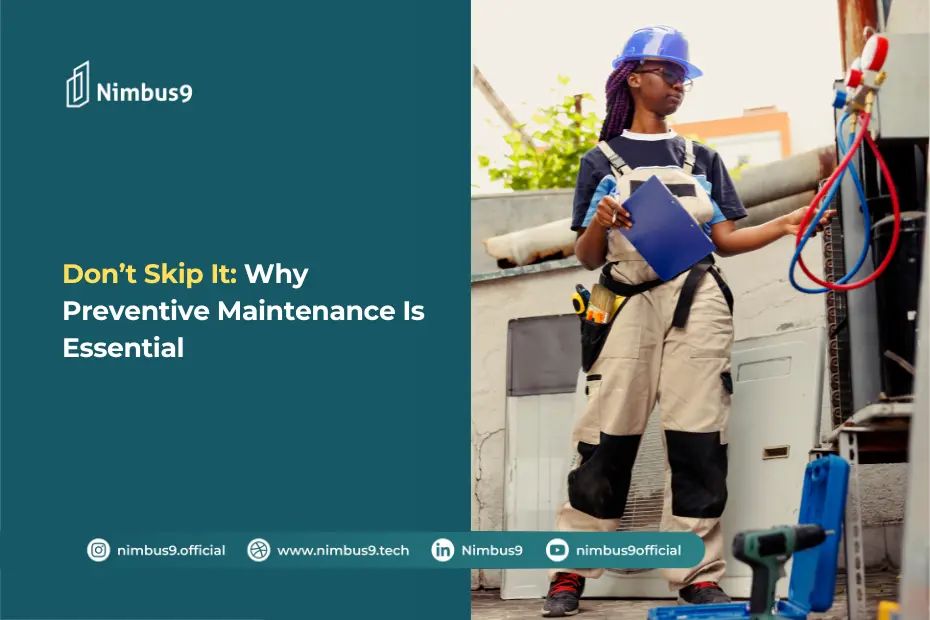
Understanding preventive maintenance benefits is essential for any business that relies on equipment and facilities. Preventive maintenance refers to routine and scheduled servicing aimed at preventing damage, reducing downtime, and improving overall efficiency.
In property businesses like hotels and apartments, skipping maintenance can lead to costly repairs and operational disruptions. That’s why preventive maintenance should never be overlooked.
What Is Preventive Maintenance?
Preventive maintenance is a series of planned activities designed to prevent equipment failure before it happens.
These activities typically include:
- Regular inspections
- Minor repairs
- Cleaning and lubrication
- Performance monitoring
Common Process Includes:
- Recording maintenance and equipment history
- Conducting inspections and measurements
- Checking spare parts and system conditions
- Fixing minor issues early
- Scheduling necessary repairs
- Monitoring performance trends
- Training maintenance teams
By applying these steps, businesses can fully maximize preventive maintenance benefits.
Types of Preventive Maintenance
There are two main types of preventive maintenance:
1. Routine Maintenance
This includes daily or frequent tasks such as:
- Cleaning equipment
- Lubricating moving parts
- Checking oil or fuel levels
2. Periodic Maintenance
This is performed at set intervals, such as weekly or monthly:
- Equipment inspections
- Performance testing
- System checks
Both types are essential to achieve optimal preventive maintenance benefits.
Read More: Facility Management: Definition, Benefits, and Best Practices
Key Objectives of Preventive Maintenance
The main goal is to ensure all equipment operates efficiently without unexpected breakdowns.
- Reduce equipment downtime
- Maintain low operational costs
- Ensure assets remain in good condition
- Extend asset lifespan
- Improve production quality
- Strengthen maintenance systems
Preventive Maintenance Benefits for Businesses
Implementing a strong maintenance strategy offers many advantages. Below are the most important preventive maintenance benefits:
-
Improved Employee Productivity
Well-maintained equipment reduces disruptions, allowing employees to work more efficiently without delays.
-
Lower Repair Costs
Routine checks help detect small issues early before they become expensive problems.
-
Longer Asset Lifespan
Regular maintenance ensures machines and assets last longer and perform better over time.
-
Reduced Downtime
Preventive maintenance minimizes unexpected breakdowns, keeping operations running smoothly.
-
Enhanced Safety
Properly maintained equipment reduces the risk of accidents and workplace injuries.
-
Energy Efficiency
Efficient machines consume less energy, helping reduce electricity and fuel costs.
These advantages clearly highlight the importance of maximizing preventive maintenance benefits in any organization.
Examples of Preventive Maintenance
Preventive maintenance requires proactive action. Some simple examples include:
- Scheduling oil checks for vehicles after a certain mileage
- Cleaning and inspecting equipment regularly
- Lubricating machinery parts
- Monitoring system performance
By consistently applying these practices, businesses can unlock long-term preventive maintenance benefits.
Preventive maintenance is not just a routine task—it is a strategic approach to protecting your assets and ensuring operational efficiency.
By understanding and applying preventive maintenance benefits, businesses can reduce risks, save costs, and improve overall performance.
To simplify maintenance tracking and scheduling, consider using a digital solution like Nimbus9, which helps streamline building operations and ensures no maintenance task is missed.