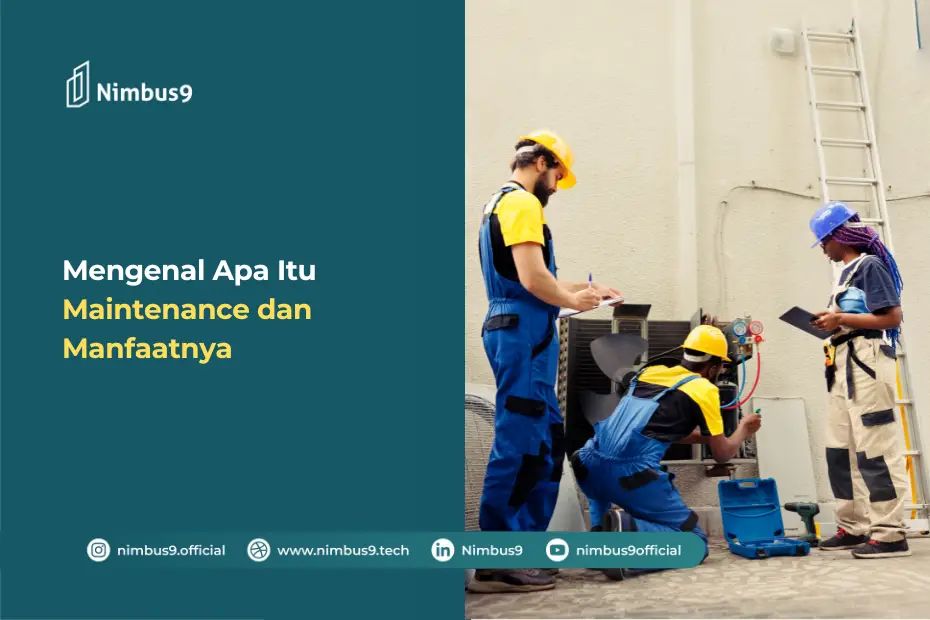
A building maintenance guide helps property managers understand how to keep facilities running smoothly. Maintenance refers to routine technical care performed to ensure building systems and equipment function properly.
In building management, maintenance activities can sometimes take time and may affect occupants or visitors. However, regular maintenance is essential to prevent major disruptions and costly repairs.
This article explains what building maintenance is, its types, and the key benefits for property owners and managers.
What Is Building Maintenance?
Building maintenance refers to the process of maintaining and servicing building systems, equipment, and facilities to ensure they operate efficiently.
Maintenance applies to:
- Mechanical equipment
- Building facilities
- Electrical systems
- Software and monitoring tools
Common maintenance activities include:
- Routine inspections
- Cleaning equipment
- Replacing worn components
- Testing systems periodically
Maintenance is not only performed when problems occur. Instead, it focuses on preventing issues before they become serious.
Following a structured building maintenance guide helps ensure operations remain efficient and safe.
Read More: Facility Management and Its Benefits
Objectives of Building Maintenance
Regular maintenance offers many operational and financial advantages. The main objectives include:
- Extending asset lifespan
- Preventing major breakdowns
- Reducing maintenance costs
- Maintaining building performance
- Improving safety and security
- Preserving property value
- Meeting regulatory standards
- Enhancing occupant comfort
These objectives make maintenance an essential part of any building maintenance guide.
Types of Building Maintenance
Different types of maintenance are used depending on equipment conditions and operational needs.
Preventive Maintenance
Preventive maintenance is performed regularly to avoid equipment failure.
Activities include:
- Routine inspections
- Cleaning equipment
- Replacing worn components
This approach helps maintain performance and reduce downtime.
Corrective Maintenance
Corrective maintenance occurs after a fault is detected.
The goal is to repair damaged equipment and restore normal operations.
Predictive Maintenance
Predictive maintenance uses sensors and monitoring tools to detect issues before failures occur.
This method allows maintenance to be performed only when needed, making it more efficient.
Breakdown Maintenance
Breakdown maintenance happens after equipment fails.
This type is less desirable because it often results in:
- Higher repair costs
- Operational downtime
- Safety risks
Scheduled Maintenance
Scheduled maintenance is planned in advance based on:
- Historical data
- Manufacturer recommendations
- Equipment usage
This method ensures consistent upkeep and supports an effective building maintenance guide.
Examples of Building Maintenance
Below are common examples of building maintenance:
- Maintaining HVAC systems for optimal temperature and energy efficiency
- Ensuring lighting is functional throughout the building
- Maintaining building security systems
- Protecting the building from weather-related damage
- Ensuring stable electrical systems
- Maintaining fire protection systems
These activities help improve building safety and operational reliability.
Difference Between Maintenance and Repair
Maintenance and repair are often confused, but they are different.
- Maintenance is preventive and performed regularly
- Repair is corrective and performed after damage occurs
In simple terms:
- Maintenance prevents problems
- Repair fixes problems
Understanding this distinction is important when implementing a building maintenance guide.
Read More: Why Routine Preventive Maintenance Matters
Conclusion
Building maintenance is essential for ensuring safety, efficiency, and long-term property value. By following a structured building maintenance guide, property managers can reduce costs and prevent unexpected breakdowns.
To simplify maintenance tracking and scheduling, digital solutions like Nimbus9 help property managers monitor tasks, improve efficiency, and ensure no maintenance activity is missed.